
Faith-Based Dyslexia Tutoring Strategies That Build Confidence
By McKenzie Borst
Navigating dyslexia can feel overwhelming. But if you suspect your child may have it, there is hope.
With the right support and faith-based dyslexia tutoring strategies, your child can grow in confidence, comprehension, writing, and study skills.
Early Identification Matters
You may notice struggles with:
-
Reading
-
Writing
-
Phonological awareness
-
Handwriting
The earlier dyslexia is identified, the better the outcome.
I encourage families to seek an evaluation if they have concerns. Early intervention equips children with lifelong problem-solving tools. Speak with your child’s teacher or a pediatric specialist if you need guidance.
There are excellent structured literacy programs available. I was trained in the Orton-Gillingham approach, a systematic, multi-sensory method proven to support students with dyslexia. You can explore structured literacy resources through the International Dyslexia Association – Structured Literacy

Identify Your Child’s Learning Style
One of the first things I assess is how a child learns best:
-
Auditory – learns through listening
-
Visual – learns through seeing
-
Kinesthetic – learns through movement
Many students benefit from combining all three.
Use scaffolding to gradually release responsibility as your child masters skills. This builds both independence and confidence.
Master One Skill at a Time
Slow down.
Instead of rushing through curriculum, focus on full mastery of one concept before moving forward.
Practice daily. Track progress. Celebrate growth.
Use Manipulatives for Learning
Hands-on tools make learning less intimidating.
A simple whiteboard allows students to practice freely since mistakes can be erased. This lowers pressure and increases persistence.
Other tactile tools include:
-
Writing in sand
-
Tracing letters on textured surfaces
-
Using magnetic letters
Multi-sensory learning strengthens phonics, spelling, and letter formation.
Allow Time for Mistakes
Children with dyslexia often need more processing time.
Give them space to think. Create a calm environment. Patience encourages resilience.

Create a Positive Learning Environment
Consistency builds security.
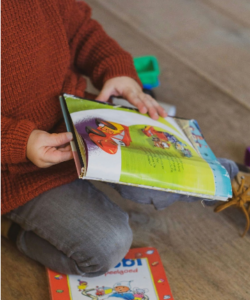
Set a simple daily routine. Read together every night. You can read aloud while your child answers comprehension questions.
Audiobooks are also excellent tools for building vocabulary and comprehension.
👉 Yoto
Encourage Writing in Fun Ways
Make writing engaging instead of stressful.
Try:
-
Minute Monday – Write for 60 seconds
-
Wacky Writing Wednesday – Use silly prompts
-
Paragraph Friday – One focused paragraph
Add structured lessons on other days for balance.
Journaling, copying Bible verses, and creative storytelling also build writing skills naturally.
Teach Organization and Study Skills
Strong routines help dyslexic learners thrive.
Use:
-
Visual schedules
-
Checklists
-
Calendars
Try the First–Then Method:
FIRST: Complete the task
THEN: Enjoy a preferred activity
Structure builds motivation.
Encourage a Growth Mindset
Remind your child that growth takes time.
Philippians 4:13 reminds us:
“I can do all things through Christ who strengthens me.”
Galatians 6:9 encourages perseverance:
“Let us not grow weary in doing good…”
Your child’s abilities are not defined by a diagnosis.
Build a Support System
You don’t have to do this alone.
Surround your family with:
-
Supportive educators
-
Other homeschool parents
-
Faith-based dyslexia tutoring services
How Family Focused Tutors Can Help
Dyslexia can feel heavy—but the right support changes everything.
At Family Focused Tutors, we provide:
-
Personalized instruction
-
Multi-sensory structured literacy
-
Confidence-building strategies
-
Faith-based encouragement
Our tutors are trained in research-backed methods and work compassionately with children who have learning differences.
Learn more at www.familyfocusedtutors.com and discover how we can partner with your family.
FAQ: Dyslexia Tutoring
Q1: What is dyslexia tutoring?
A: Dyslexia tutoring is specialized instruction designed to help children with dyslexia improve reading, writing, spelling, and study skills. Methods often include multi-sensory approaches like Orton-Gillingham to support learning.
Q2: How can I tell if my child needs dyslexia tutoring?
A: Signs may include difficulty with reading, writing, spelling, or handwriting, trouble remembering letter-sound associations, and slower progress in school despite effort. Early intervention is crucial for success.
Q3: What strategies are most effective for dyslexic learners?
A: Effective strategies include using manipulatives, multi-sensory learning, scaffolding skills, mastering one concept at a time, and incorporating study and organizational tools. Encouraging a growth mindset is also key.
Q4: Can dyslexia tutoring be faith-based?
A: Yes! Faith-based dyslexia tutoring integrates Christian values and encouragement while providing structured academic support, helping children build confidence and a sense of purpose in their learning.
Q5: How do I find a qualified dyslexia tutor?
A: Look for tutors trained in evidence-based approaches like Orton-Gillingham, with experience in multi-sensory instruction, and ideally those who understand your family’s faith-based values. Family Focused Tutors provides personalized tutoring for children with learning differences.


